

EMHASS plans based on what the house normally uses: the EMHASS base load. For a few days it thought my house needed about 6 kW at night. That wasn’t right: that was the car. The cause was one letter: k.
Why the EMHASS base load has to be clean
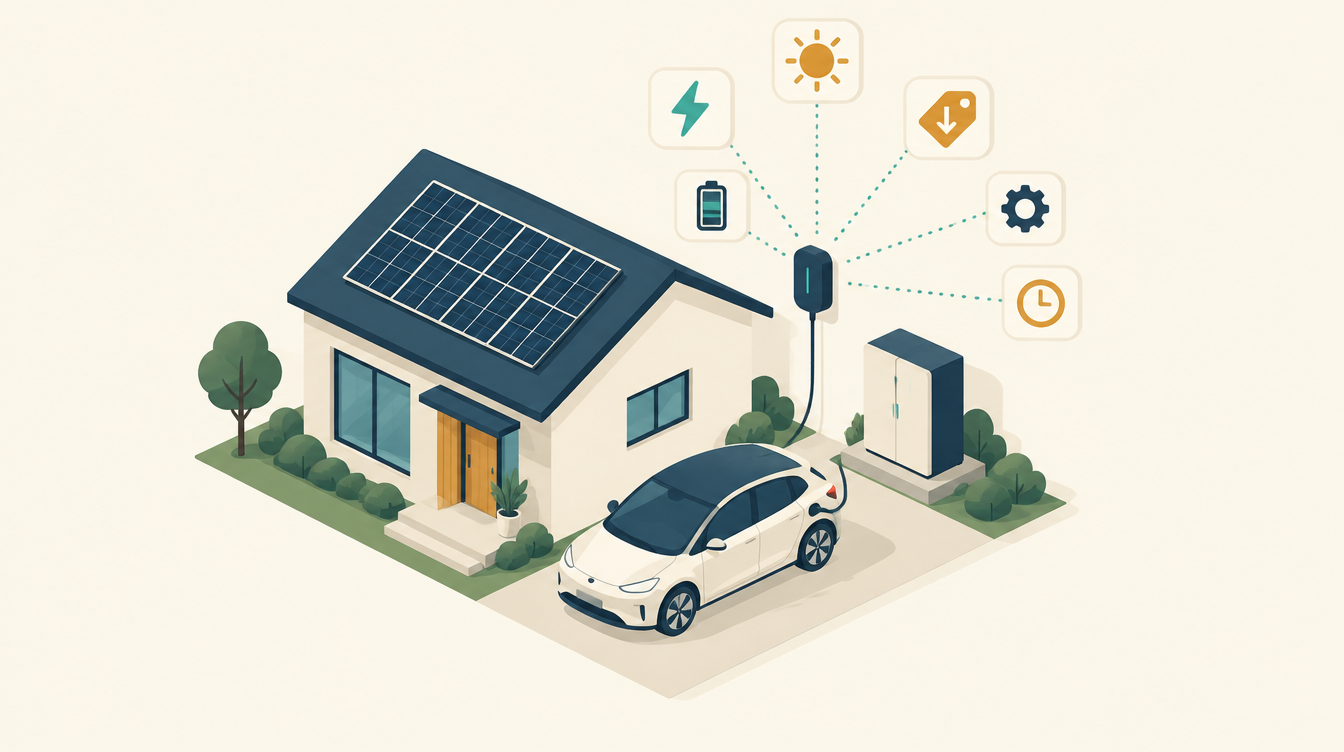
What EMHASS learns as consumption determines what it plans. That’s why it doesn’t get the total consumption, but a base load: the house without the car, and without the part of the heat pump that EMHASS controls itself. EMHASS deliberately doesn’t know about the car; that’s handled by evcc.
So the base load is a calculation: house consumption minus charging power minus heat pump. If one of those numbers is wrong, EMHASS learns something that doesn’t exist.
What went wrong
In my setup the car’s charging power comes from two sources: evcc and the charger integration. One reports in kilowatts, the other in watts. The calculation read a value in kW as if it were watts. When the car was charging at 6 kW, the calculation subtracted 6 W instead of 6000 W.
The result: the car stayed in the base load. Because the car often charges at night, EMHASS learned that the house uses 6 kW at night, and planned accordingly.
The fix
- Convert per source. Each source is first converted to watts, based on the unit that source itself reports.
- Take the higher of two sources. If one drops out or lags behind, the car is still counted.
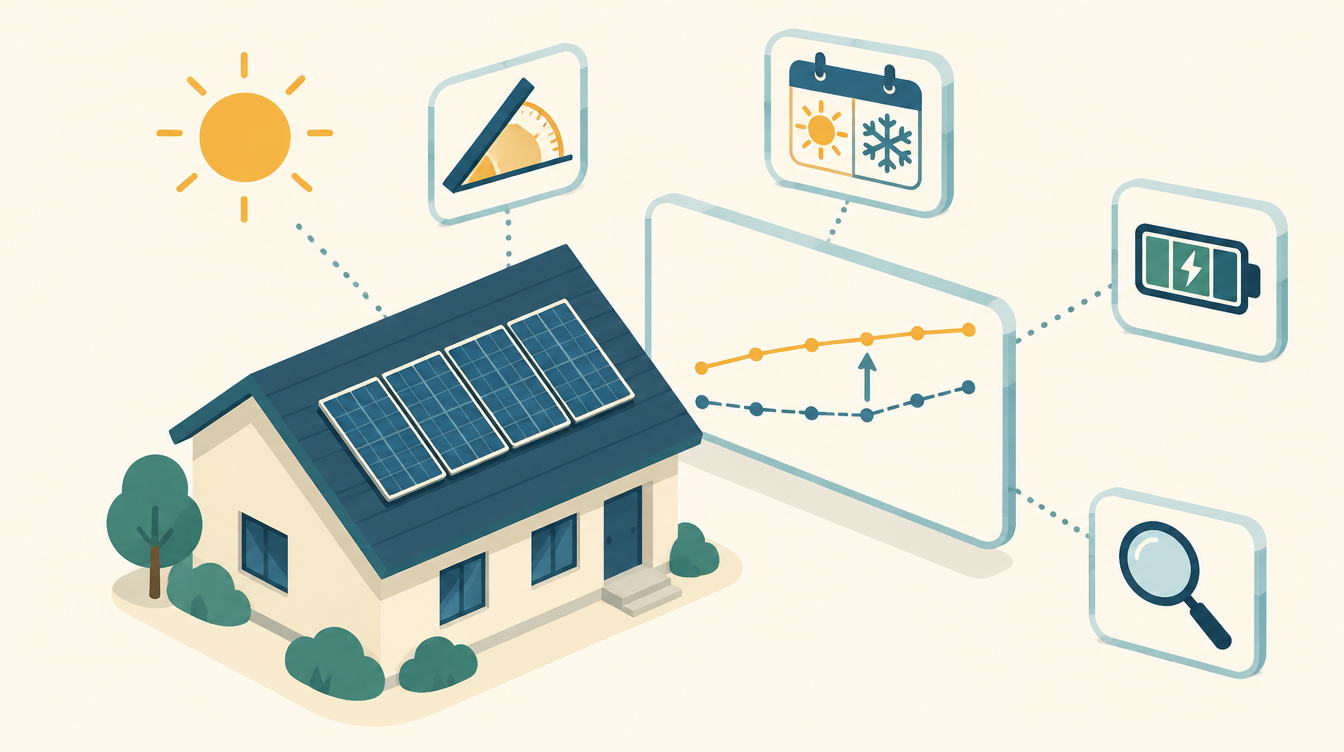
- The base load next to the total in one chart. A base load that is suddenly as high as the total at night then stands out immediately.
The lesson
Check the unit of every source, even when two sources measure “the same” thing. And you can’t see an error in a planner’s input from the plan: the plan looks neat, it’s just based on a wrong picture of the house. It’s the same lesson as with the shifted load forecast: put the input next to reality.
How EMHASS and the car work together: EMHASS and the battery and Car and evcc. All incidents: Lessons from practice (in Dutch).
These values apply to one installation. Check them against your own documentation; leave work on 230/400 V to a qualified electrician.


Leave a Reply